In the competitive hospitality landscapes of India, Sri Lanka, Bangladesh, Nepal, the Maldives, and Bhutan, kitchen operators are constantly balancing operational costs with the need for modern efficiency.
Many facility managers believe that to get a "smart kitchen," they need to demolish their existing setup and start over. This is a myth. Retrofitting—the process of adding smart controls to your existing hoods—is the most cost-effective way to modernize a commercial kitchen in South Asia.
At Retrofit Solutions, we specialize in turning legacy extraction systems into intelligent, energy-saving assets without the need for expensive structural renovations.
What is a DCKV Retrofit?
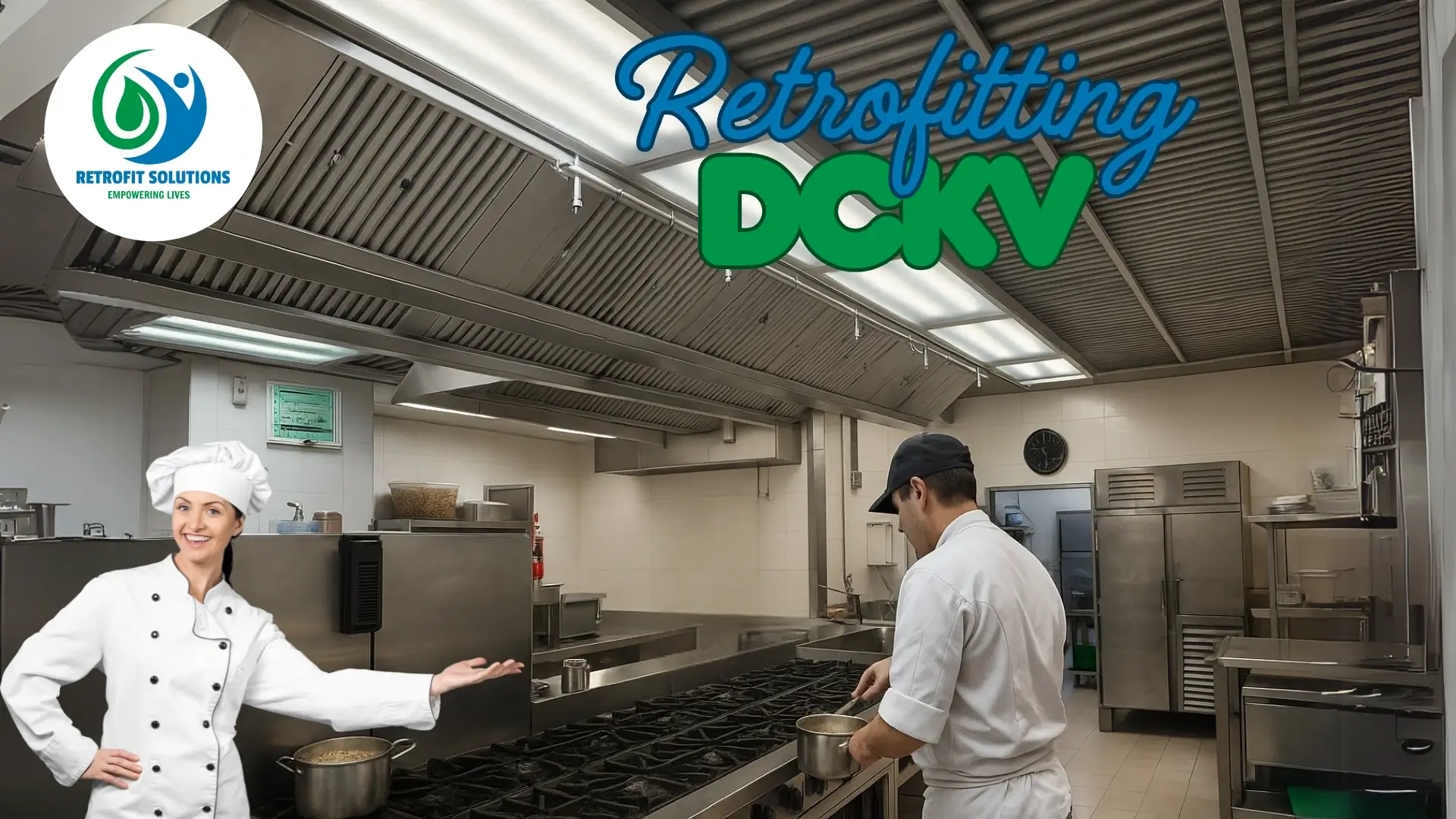
Retrofitting a Demand-Controlled Kitchen Ventilation (DCKV) system simply means installing advanced sensors and controllers onto your current exhaust hoods.
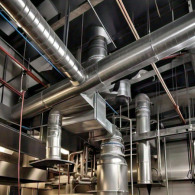
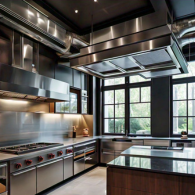
You keep your existing stainless steel canopies, ductwork, and fans. We simply add the "brains" that tell those fans when to speed up (during heavy cooking) and when to slow down (during prep or downtime). This upgrades your "dumb" system—which runs at 100% power all day—into a smart system that reacts to real-time cooking demands.
Why Retrofit? The South Asian Context
For hotels in Colombo, resorts in the Maldives, or busy canteens in Dhaka, a full kitchen renovation is often too expensive and disruptive. Retrofitting offers a strategic alternative:
1. Lower Capital Expenditure (CAPEX)
Stainless steel is expensive, and shipping large custom hoods to remote locations (like island resorts in the Maldives or mountain lodges in Bhutan) adds massive logistical costs.
The Solution: Use what you have. By keeping your existing metalwork, you save significantly on material and shipping costs. You invest only in the technology that generates savings.
2. Combatting Rising Energy Tariffs
Electricity costs are rising across the subcontinent. In humid regions like Mumbai or Chennai, a large portion of your energy bill isn't just the exhaust fan—it's the Air Conditioning.
The Solution: Every cubic meter of air you exhaust must be replaced by cooled "make-up air." A retrofitted system reduces exhaust rates by up to 50% on average, meaning your AC plant doesn't have to work as hard to cool incoming fresh air.
3. Minimal Downtime
Can your hotel in Kathmandu afford to close its main kitchen for two weeks during peak tourist season? Likely not.
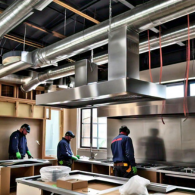
The Solution: Retrofitting is non-intrusive. Retrofit Solutions can often install sensors and wiring during off-hours or low-volume periods, meaning your kitchen never has to stop serving guests.
The Retrofit Process with Retrofit Solutions
We have streamlined the process for the South Asian market to ensure quick turnaround and immediate ROI.
Step 1: The Site Survey
Our engineers visit your site (or conduct remote assessments for remote locations) to check your existing motor types (VFD compatibility) and hood condition. It doesn't matter if your hoods are 5 years old or 20 years old—if the metal is sound, we can retrofit it.
Step 2: Custom Design
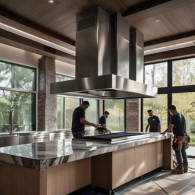
We design a sensor package that fits your specific layout, whether it's a long line of tandoors or a compact island suite for Chinese wok cooking.
Step 3: Installation & Commissioning
Our team installs the optical and thermal sensors inside the hood and connects the control panel. We then calibrate the system to ensure it detects the specific smoke and heat profiles of your menu.
Step 4: Immediate Savings
Once active, the system begins saving energy immediately. Most projects in the region see a Return on Investment (ROI) in 1 to 3 years based on local electricity rates.
Is Your Kitchen Ready for a Retrofit?
If you are facing any of the following issues, you are the perfect candidate for a retrofit:
- High Energy Bills: Your exhaust fans are a top contributor to your monthly utility costs.
- Noise Complaints: Chefs and staff complain about the constant roar of fans running at full speed.
- Temperature Fluctuations: Your kitchen struggles to stay cool because the exhaust is sucking out all the AC.
- Sustainability Goals: You are aiming for green certifications (like LEED or GRIHA) and need to demonstrate energy efficiency.