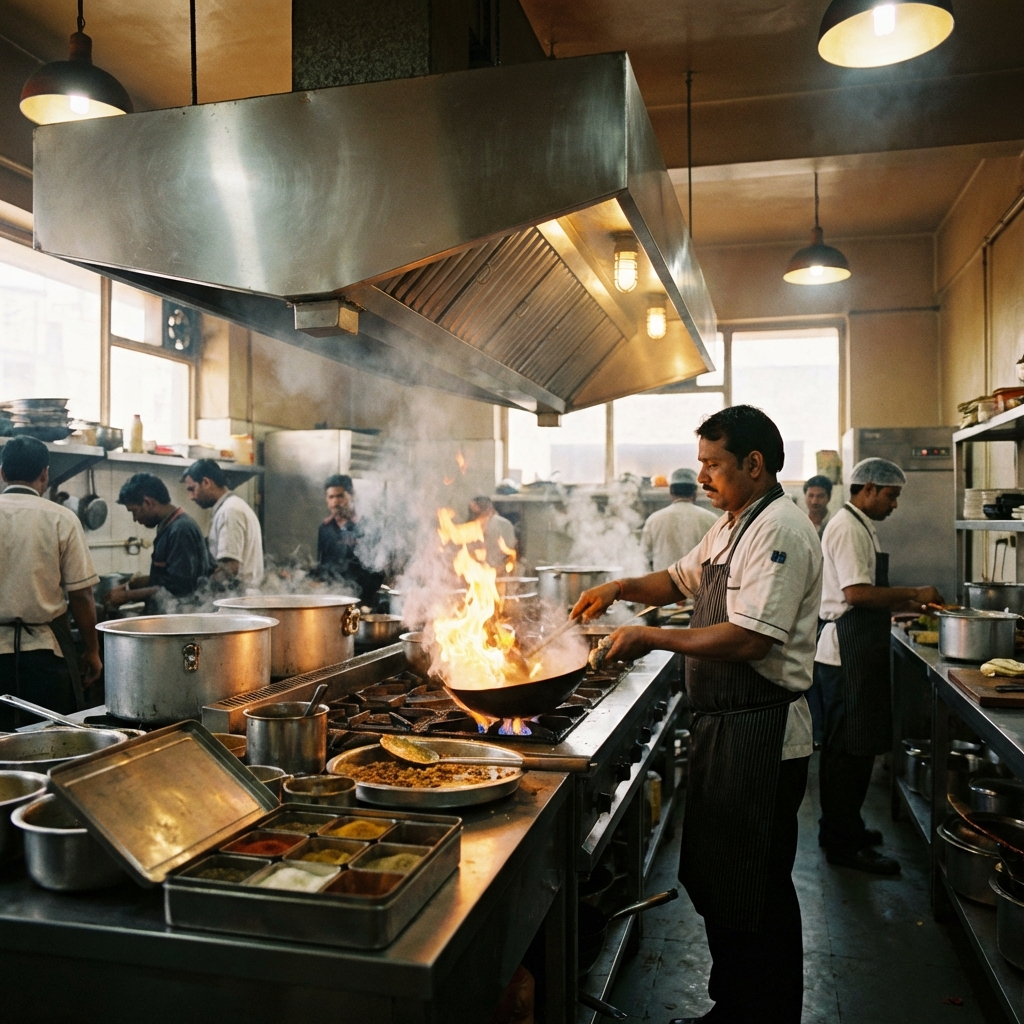
Commercial kitchens in India, Sri Lanka, Bangladesh, Nepal, the Maldives, and Bhutan face a unique set of challenges: intense tropical humidity, rising electricity tariffs, and a culinary culture that produces heavy smoke and steam.
A smart solution that addresses these specific concerns is Demand Control Kitchen Ventilation (DCKV). By replacing the traditional "always-on" approach with intelligent sensors, DCKV systems optimize airflow based on real-time cooking demand.
In this article, we explore the top building issues solved by DCKV systems and how Retrofit Solutions provides tailored technology for the South Asian market.
1. Reducing Energy Consumption in a High-Tariff Region
In nations like Sri Lanka and the Maldives, where electricity costs are among the highest in the region, energy efficiency is not just "green"—it is a survival strategy.
Traditional ventilation systems run exhaust fans at 100% speed all day, regardless of whether the chefs are prepping vegetables or firing up the tandoor.
The Waste: This wastes massive amounts of electricity on fan motors.
The Solution: Retrofit Solutions' DCKV system uses sensors to detect actual cooking activity. When the kitchen is quiet, fans ramp down. This simple adjustment can cut ventilation energy usage by up to 90%.
2. Combating Humidity and Cooling Load (HVAC)
In the tropical climates of South India, Bangladesh, and the Maldives, the biggest hidden cost isn't the exhaust fan itself—it's the Air Conditioning.
Every cubic meter of air you exhaust must be replaced by fresh outside air. In our region, that outside air is often hot and 90% humid. Your AC plant has to work overtime to cool and dehumidify this air before it enters the kitchen.
The Impact: By reducing exhaust rates during off-peak hours, DCKV significantly reduces the volume of hot, humid air entering the building. This lowers the load on your cooling plant, saving you money on AC bills and reducing equipment wear.
3. Improving Indoor Air Quality (IAQ) & Staff Comfort
South Asian kitchens are intense environments. The smoke from "tadka" (tempering spices), the heat from tandoors, and the steam from large-scale rice cooking can make kitchens unbearable for staff.
The Challenge: Poor ventilation leads to heat buildup and lingering spice fumes that irritate the eyes and lungs of kitchen staff.
The Retrofit Solution: Our sensors are calibrated to detect the specific optical signature of smoke and steam. As soon as a chef throws spices into hot oil, the system detects the plume and instantly ramps fans to 100% to clear the air. Once the smoke clears, it settles back down. This ensures staff comfort without wasting energy.
4. Ensuring Regulatory Compliance & Sustainability
Governments across the region are tightening regulations.
- India: The Energy Conservation Building Code (ECBC) is setting stricter standards for commercial energy use.
- Maldives & Bhutan: Eco-tourism policies strictly monitor the carbon footprint of resorts.
Installing a DCKV system helps businesses meet these sustainability goals (such as LEED certification or Green Resort status) by providing data-backed evidence of energy reduction.
Why Choose Retrofit Solutions for South Asia?
At Retrofit Solutions, we understand that a kitchen in Kathmandu has different needs than a kitchen in Colombo. We specialize in providing state-of-the-art ventilation controls tailored for the diverse infrastructure of South Asia.
Key Benefits of Our System:
- Works with Local Infrastructure: Compatible with fluctuating voltage conditions common in parts of the region.
- Retrofit-Ready: We upgrade your existing hoods—no need to import expensive new steel canopies.
- Remote Monitoring: Vital for island resorts or remote mountain hotels, allowing facility managers to monitor performance from a central office.